
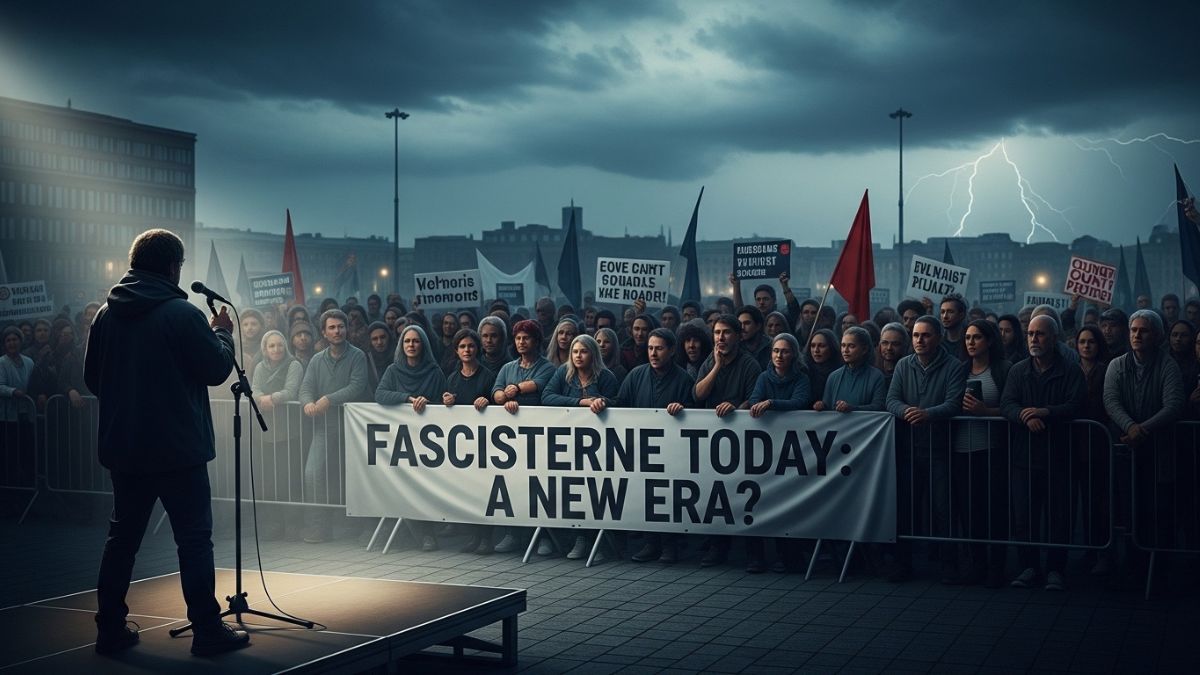
Fascism, a term that evokes strong emotions and vivid historical images, is often misunderstood and misapplied. Its roots stretch deep into the early 20th century, a time marked by political upheaval and societal unrest. Today, as we witness a resurgence of ideologies reminiscent of those dark days, it becomes crucial to understand what fascisterne means in our current context.
Modern politics can feel like a battleground where old ideas clash with new realities. The rise of movements echoing the tenets of fascism are reshaping conversations across nations. But why does this happen? How do these ideologies take hold in contemporary society?
This blog post will delve into the complexities surrounding modern fascism—its emergence, its leaders, and how it influences our political landscape today. Join us as we explore recent examples of fascist movements and examine the ongoing debate about labeling such groups. With an understanding grounded in history yet relevant to today’s world, we aim to uncover lessons that can help combat these dangerous ideals effectively. Let’s embark on this important journey together!
The Rise of Modern Fascism and Its Key Leaders
The resurgence of fascism in contemporary society is alarming. It’s not just a relic from the past; it has evolved and adapted to modern contexts. Key leaders have emerged, capturing attention with their charismatic rhetoric and authoritarian promises.
Figures like Jair Bolsonaro in Brazil and Matteo Salvini in Italy exemplify this trend. They utilize nationalism, often cloaked in populist language, appealing to disillusioned voters seeking quick solutions to complex problems. Their strategies resonate deeply within segments of the population feeling marginalized by globalization.
These leaders leverage social media effectively to amplify their messages. This digital landscape allows for rapid dissemination of ideas that can easily veer into extremist territory. The ability to mobilize support through online platforms has fueled movements across various countries.
As these ideologies gain traction, traditional political boundaries blur. The impact on democracy becomes increasingly evident as fear-based narratives take hold, challenging established norms and values.
The Influence of Fascist Ideology on Contemporary Politics
Fascist ideology continues to seep into contemporary politics, often in subtle ways. Political leaders and movements have adopted anti-establishment rhetoric that echoes the sentiments of historical fascism. This shift appeals to those disillusioned with mainstream political parties.
Populism is a central theme, utilizing a “us versus them” mentality. Such tactics foster division, presenting societal challenges as battles between people rather than collective issues that require cooperation.
Moreover, nationalism plays a pivotal role today. The glorification of national identity can lead to xenophobia and exclusionary policies aimed at minorities or immigrants.
Social media amplifies these messages rapidly, allowing fringe ideas to gain traction among broader audiences. This digital platform enables charismatic leaders to cultivate loyal followings based on fear and anger.
Understanding this influence is crucial for recognizing how fascisterne manifest in modern governance and society’s response to it.
Examples of Fascist Movements in Recent Years
Recent years have seen a troubling resurgence of movements echoing fascist sentiments across the globe. In various countries, nationalist parties have gained traction by promoting anti-immigrant rhetoric and xenophobia.
In Europe, certain far-right groups advocate for strict immigration controls while glorifying a distorted sense of national identity. Their rallies often attract thousands who resonate with their visions of an ethnically homogenous society.
The United States has also witnessed this shift. Some political factions openly embrace symbols and language reminiscent of early 20th-century fascism. These elements appeal to disillusioned voters seeking simple solutions to complex problems.
Latin America is not exempt either. Several leaders in the region draw on populist tactics that mirror fascist ideology, combining charisma with authoritarian governance.
The internet further amplifies these messages, allowing for swift dissemination and recruitment among like-minded individuals worldwide. This connectivity enables fringe ideas to gain significant ground rapidly.
The Debate Surrounding the Use of the Term
The term “fascisterne” sparks intense debates among scholars, politicians, and the public. Many argue that its usage can dilute historical significance. When applied too broadly, it risks trivializing the atrocities of past regimes.
Conversely, others contend that recognizing modern manifestations is crucial for awareness. They highlight how certain behaviors echo fascist principles today. The challenge lies in distinguishing genuine threats from hyperbole.
This semantic tug-of-war complicates discussions about political ideologies. Some fear labeling groups as fascist could incite hostility or backlash. Others believe it’s necessary to confront uncomfortable truths head-on.
As societies grapple with rising polarizations and extremist rhetoric, clarity around terms like “fascisterne” becomes vital for informed discourse. Navigating these conversations requires sensitivity and precision—especially when history looms large over contemporary politics.
The Dangers and Consequences of Promoting Fascist Ideas
Promoting fascist ideas poses serious threats to democratic values. It erodes the foundation of equality and human rights that societies strive to uphold.
Fascism thrives on division, fostering hatred between groups. This can lead to violence and civil unrest as communities become polarized. History has shown us the catastrophic outcomes when such ideologies gain traction.
Moreover, the normalization of fascist rhetoric can embolden extremist movements. Once marginalized views may find a platform, leading to increased recruitment for hate-driven organizations.
The impact isn’t limited to physical conflict; it also affects mental health across society. Fear and anxiety proliferate as people feel unsafe in their own communities due to rising intolerance.
Vigilance is essential against these dangerous ideas. The spread of misinformation only exacerbates this issue, making education a crucial tool in combating fascist narratives.
Combating Modern Fascism: What Can Be Done?
To combat modern fascism, education plays a crucial role. Raising awareness about the historical implications and dangers of fascist ideologies can empower individuals to recognize these patterns in today’s political landscape.
Community engagement is equally vital. Grassroots movements can foster dialogue among diverse groups. Such interactions help dispel myths and build solidarity against divisive rhetoric.
Social media has become a double-edged sword. While it allows for the spread of harmful ideas, it also offers platforms for countering hate speech with positive messaging. Activists can leverage social networks to amplify voices advocating for democracy and inclusion.
Support from established institutions—governments, schools, and NGOs—is essential too. These entities must actively promote policies that discourage discrimination while fostering environments where diversity thrives.
Encouraging civic participation invites more people into the democratic process. When citizens feel their voices matter, they are less likely to succumb to extreme ideologies like fascism.
Conclusion: Lessons Learned from
Fascism has a complex history that reverberates through modern politics. The lessons learned from the past can help us navigate today’s political landscape. Understanding the roots of fascist ideology allows us to recognize its manifestations in contemporary society.
Modern fascist movements draw on historical precedents while adapting to current issues. This blend of old and new creates a dangerous cocktail that threatens democratic values. By analyzing these trends, we can better prepare for potential outcomes.
The debate surrounding the term “fascism” itself is crucial. It highlights how language shapes our understanding and responses to extremist ideologies. Clear definitions are essential for effective discourse and action against such movements.
Recognizing the dangers posed by promoting fascist ideas is equally important. History shows us the damage caused by unchecked hate and division. Awareness leads to action, fostering resilience within communities facing this threat.
Combating modern fascism requires collective effort—education, open dialogue, and solidarity among diverse groups are vital strategies. Promoting inclusivity strengthens societies against divisive rhetoric and extremism.
As we reflect on these facets of fascisterne today, it’s clear that vigilance remains necessary in safeguarding democracy from authoritarian influences. The challenges ahead demand our attention as we strive for a more equitable future.